What makes a horse asset 'game-ready'? Anatomy, rigging and LODs
Anatomy: why it matters
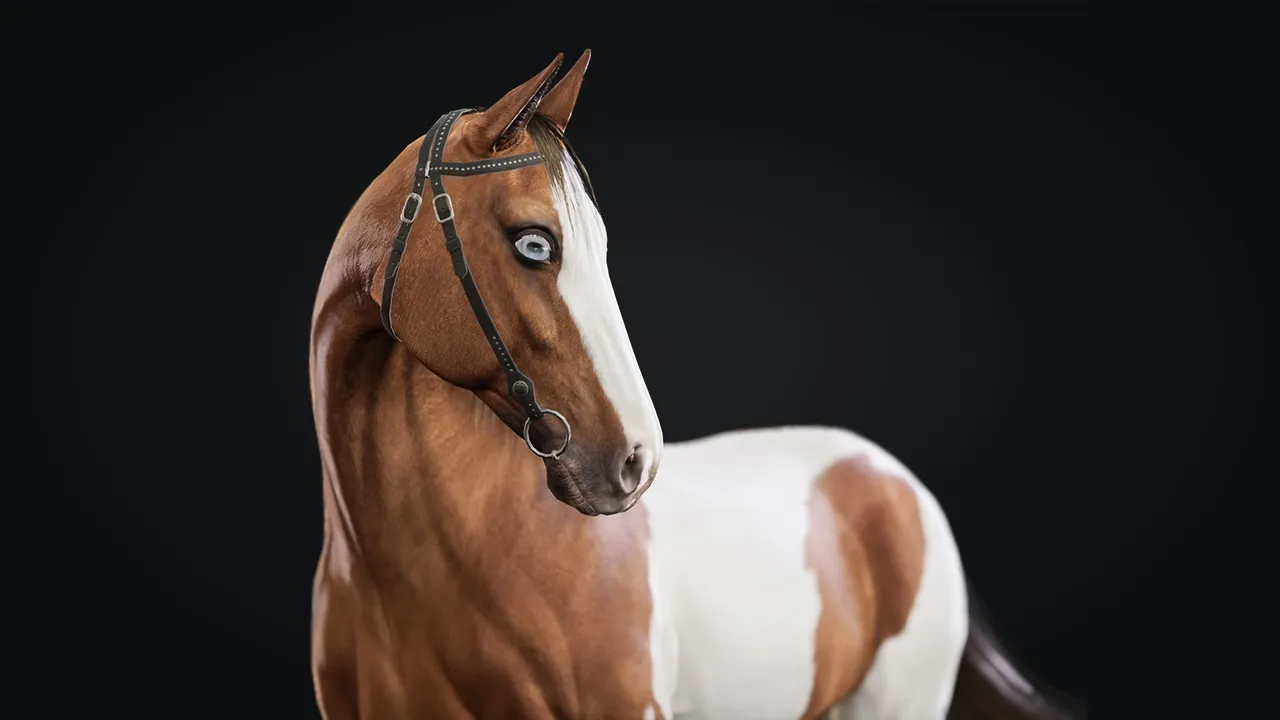
A horse reads as "wrong" the instant its proportions or gait are off, because players know what a real horse looks like. Anatomically accurate models — correct skeleton proportions, muscle deformation and footfall timing — are what separate a believable mount from a hobby-horse. It is the reason The Mane Quest singled out 3DBear's horses for anatomical accuracy.
Rigging and animation
Game-ready means the model is already rigged and animated: a clean skeleton, weighted deformation, and a usable animation set (idles, the four gaits, transitions, jumping). Without it you are paying an animator before the asset does anything. Every 3DBear horse ships rigged and animated, ready to drive with the Complete Horse Riding System. For the full setup walkthrough, see how to add a rideable horse in UE5.
LODs and performance
A herd of horses is expensive to render. Levels of Detail (LODs) swap in cheaper meshes at a distance so a crowd does not tank the frame rate. Game-ready assets include LODs out of the box; a raw sculpt does not.
What to look for when buying
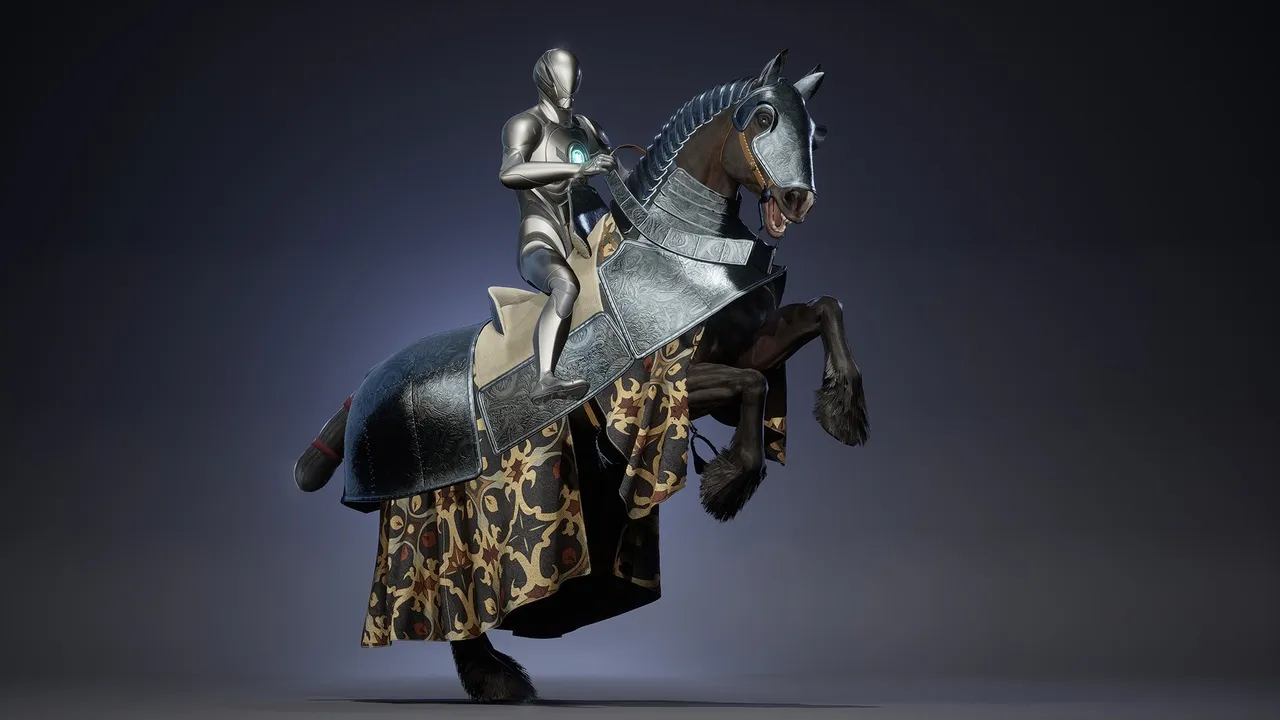
Check for: anatomical accuracy, a rig on a standard skeleton, a real animation set, and built-in LODs. Compare the options on our best horse assets for Unreal Engine 5 page, or start with Horse Herd or the armored Knight Horse.